Your Ultimate Travel Guide

South Korea
South Korea, located in East Asia, occupies the southern half of the Korean Peninsula and is known for its advanced technology, rich cultural heritage, and rapid economic growth. It has a population of about 52 million people and is a global leader in industries such as electronics, automotive, and entertainment, particularly K-pop and K-dramas.
The country experiences four distinct seasons and boasts a mix of modern skyscrapers and historic landmarks, including ancient palaces and Buddhist temples. Seoul, the capital and largest city, is a vibrant metropolis home to nearly 10 million people. It is a major hub for business, fashion, and entertainment, featuring iconic sites like Gyeongbokgung Palace, N Seoul Tower, and the bustling shopping district of Myeongdong. Seoul is also known for its efficient public transportation, dynamic street food culture, and thriving nightlife, making it a top destination for tourists and locals alike.
South Korea Facts
Tourist Tips
-
Public Transport is Excellent – Use the Korea Subway App and get a T-Money card for easy travel on buses and trains.
-
Cash & Cards – Credit cards are widely accepted, but it's good to carry some cash (KRW) for small street vendors and markets.
-
Language Barrier – English isn’t widely spoken; Google Translate or Papago can help with communication.
-
Respect Korean Etiquette – Bow when greeting, remove shoes indoors, and use both hands when giving or receiving items.
-
Tipping is Not Expected – South Korea doesn’t have a tipping culture; service charges are included.
-
Stay Connected – Rent a pocket WiFi or get a Korean SIM card for easy navigation and communication.
-
Emergency Number – Dial 1330 for tourist help (24/7) or 119 for emergencies.
-
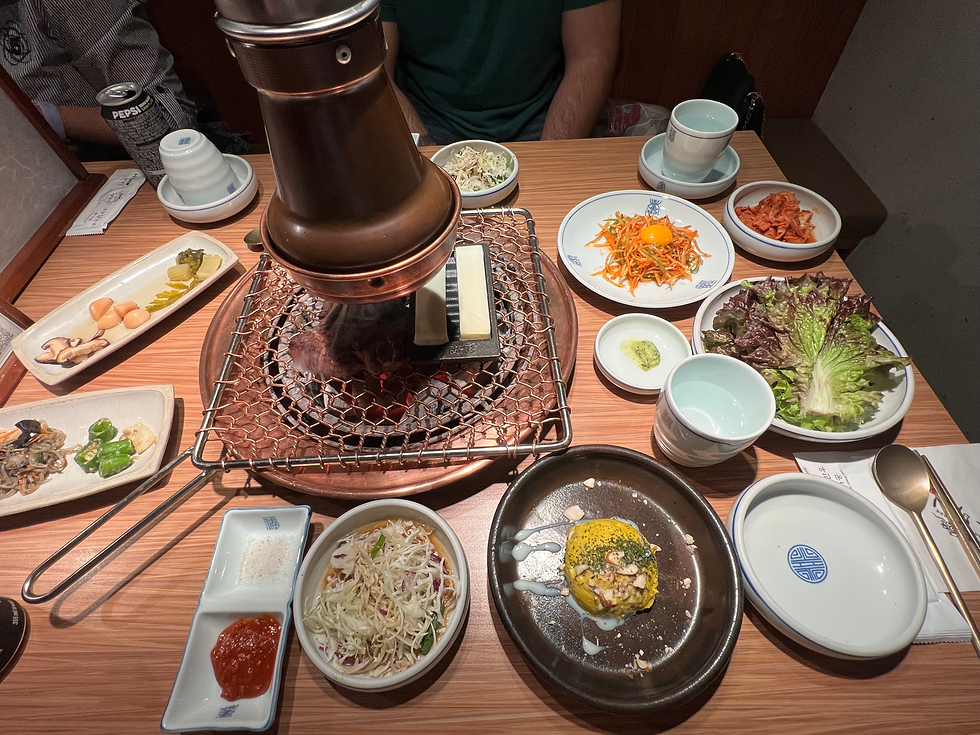
Spicy Food & Side Dishes – Korean food can be spicy! Side dishes (banchan) are usually free and refillable.
-
Shopping & Tax Refunds – Foreigners can claim tax refunds at the airport for purchases over 30,000 KRW.
-
Best Time to Visit – Spring (March–May) for cherry blossoms & Autumn (September–November) for stunning foliage.
Cultural Facts
-
Honorifics & Etiquette: Koreans use different speech levels to show respect based on age and status.
-
Technology & Internet: South Korea has one of the fastest internet speeds and is a leader in technology and innovation.
-
Traditional Houses (Hanok): Hanok homes feature ondol (underfloor heating), used for centuries.
-
Korean Alphabet Day: Celebrated on October 9 in South Korea to honor the creation of Hangul.
-
Festivals & Holidays: Chuseok (Korean Thanksgiving) and Seollal (Lunar New Year) are major family holidays.
-
Bowing Tradition: Bowing is a key form of greeting and respect in Korean culture.
-
Superstitions: The number 4 is considered unlucky (similar to "death" in Korean), and writing names in red ink is avoided.
-
Beauty Standards: South Korea has a huge beauty industry, and plastic surgery is common for cosmetic enhancements.

Korean Cuisine
-
Kimchi – Fermented spicy cabbage, a staple in every meal.
-
Bibimbap – Mixed rice with vegetables, beef, egg, and spicy gochujang sauce.
-
Samgyeopsal – Grilled pork belly served with dipping sauces and lettuce wraps.
-
Tteokbokki – Spicy stir-fried rice cakes in a sweet and spicy sauce.
-
Jjajangmyeon – Noodles in a thick black bean sauce, a Korean-Chinese favorite.
-
Korean Fried Chicken – Extra crispy fried chicken, often paired with beer (chimaek).
-
Bulgogi – Marinated and grilled beef with a sweet and savory flavour
-
Soju – The most popular Korean liquor, often enjoyed with BBQ.
-
Makgeolli – A traditional milky rice wine with a slightly sweet taste.
-
Banana Milk – A beloved Korean sweet banana-flavored milk drink.
Places to visit in Seoul


Myeongdong
Facts about Myeongdong
Myeongdong is one of Seoul’s busiest and most popular shopping districts, attracting millions of visitors every year. Known as a beauty and skincare hub, it is home to top Korean brands like Innisfree, Etude House, and Laneige, making it a paradise for cosmetic lovers. Beyond shopping, Myeongdong is also famous for its vibrant street food scene, where visitors can enjoy Korean egg bread, tornado potatoes, grilled lobster, and other delicious treats. Historically, Myeongdong was a residential area during the Joseon Dynasty before transforming into a major commercial hub in the 20th century. The district is also home to Myeongdong Cathedral, a beautiful Gothic-style church that holds cultural and religious significance. With its mix of modern shopping, traditional street food, and historical sites, Myeongdong offers a dynamic and lively experience, especially at night.
Places to Visit
Shopping Spree
Explore both high-end boutiques and affordable street stalls selling clothes, accessories, and K-pop goods.
Try Myeongdong Street Food
Must-try snacks include Korean egg bread, tornado potatoes, grilled lobster, and hotteok (sweet pancakes).
Myeongdong Cathedral
A beautiful Gothic-style church, an important historic and religious site in Korea.
Pamper Yourself with Korean Skincare
Shop for face masks, serums, and beauty products, often with discounts and free samples.
Experience a Korean Spa
Enjoy a relaxing massage or beauty treatment at Myeongdong's spas and aesthetic clinics.
Watch a Nanta Show
A unique non-verbal Korean comedy performance that combines cooking, music, and acrobatics.
Explore Underground Shopping Malls
Myeongdong’s underground shopping center offers budget-friendly fashion and souvenirs.
Visit Nearby Attractions
Walk to Namsan Tower (N Seoul Tower) for a panoramic view of Seoul or visit nearby Namdaemun Market for more shopping.



Gyeongbokgung Palace
Facts about Gyeongbokgung Palace
Gyeongbokgung Palace,built in 1395 is located in the heart of Seoul, is home to the National Palace Museum and the National Folk Museum, offering deeper insights into Korea’s rich history. It is the largest and most iconic of Seoul’s Five Grand Palaces. Despite being destroyed during the Imjin War (Japanese invasions in the late 16th century), it was later restored and remains a symbol of Korea’s royal heritage. Visitors can witness the changing of the royal guard ceremony, a reenactment of traditional palace customs.Today, it remains one of the most visited cultural landmarks in South Korea.
Places to Visit
Watch the Royal Guard Changing Ceremony
A must-see reenactment of traditional Joseon-era guards held at the main gate (Gwanghwamun) several times a day.
Explore Geunjeongjeon Hall
The palace’s main throne hall, where kings held royal ceremonies and greeted officials.
Walk Through Gyeonghoeru Pavilion
A beautiful two-story wooden pavilion on a lotus pond, used for royal banquets and meetings.
Visit the National Palace Museum of Korea
Learn about royal artifacts, clothing, and historical relics from the Joseon Dynasty.
Discover the National Folk Museum of Korea
Showcasing traditional Korean culture, customs, and daily life through engaging exhibits.
Stroll Through the Beautiful Gardens
Enjoy the palace’s serene courtyards, stone bridges, and scenic pathways.
Wear a Hanbok for Free Entry
Rent a traditional Korean hanbok nearby and enter the palace for free while capturing amazing photos.
Visit Hyangwonjeong Pavilion
A picturesque hexagonal pavilion set on an island in the middle of a tranquil pond.
Walk Along the Palace Walls
Take in the grand architecture and scenic views of Bugaksan Mountain in the background.
Explore the Hidden Corners
Unlike some of the other palaces, Gyeongbokgung is vast, with many courtyards, gates, and secret spots to discover.


Bukchon Hanok Village
Facts about Bukchon Hanok Village
Bukchon Hanok Village in Seoul is a well-preserved traditional Korean village nestled between Gyeongbokgung and Changdeokgung Palaces. It features hanok, traditional Korean houses dating back to the Joseon Dynasty, showcasing distinctive wooden beams, tiled roofs, and paper windows. The village, once home to aristocratic families and scholars, remains a functional residential area and a popular tourist destination, offering visitors a glimpse into Korea's rich cultural heritage. With its narrow lanes, cultural centers, museums, and opportunities to experience traditional activities like wearing hanbok or participating in tea ceremonies, Bukchon combines history with vibrant modern elements, making it a unique and lively spot for both locals and tourists alike.
Places to Visit
Explore Traditional Hanok Homes
Stroll through the narrow lanes and admire the traditional hanok architecture. You can even visit some of the homes that are open to the public for a deeper understanding of Korean culture.
Visit Cultural Centers and Museums
Stop by the Bukchon Traditional Culture Center or the Hanok Living Museum to learn more about traditional Korean life and architecture.
Wear a Hanbok
Rent and wear a traditional Korean hanbok (Korean clothing) to immerse yourself in the experience of walking around the village dressed in historical attire.
Participate in a Tea Ceremony
Visit one of the local teahouses and take part in a traditional Korean tea ceremony to learn about tea culture and experience the tranquility of Korean hospitality.
Photography
The village offers picturesque views with its traditional houses against a modern city backdrop, making it a perfect place for photography. Don't miss capturing the iconic narrow lanes and rooftops.
Visit Art Galleries and Craft Shops
Explore boutique shops, art galleries, and craft shops selling handmade Korean goods, from pottery to textiles, perfect for unique souvenirs.
Walking Tours
Join a guided tour to get in-depth knowledge of the village's history, culture, and the architectural significance of the hanok houses.
Explore Samcheongdong
Adjacent to Bukchon, the trendy Samcheongdong area offers modern cafes, shops, and art galleries, providing a blend of traditional and contemporary culture.


Getting There
-
Walk to Namsan Cable Car Station (about 10 minutes from Myeongdong Station Exit 4).
-
Time: Take the cable car up to N Seoul Tower (takes 3–5 minutes).
-
Cost: About 10.50 euro (round trip) for adults.
-
Operating Hours: 10:00 AM – 11:00 PM.
N Seoul Tower
Facts about N Seoul Tower
N Seoul Tower, also known as Namsan Seoul Tower, is a landmark located on Namsan Mountain in the heart of Seoul. Opened in 1969, it was originally built as a transmission tower but has since become one of the city's most popular tourist destinations. Standing at 236 meters tall, it offers panoramic views of Seoul and the surrounding areas from its observation decks. The tower is particularly famous for its "Locks of Love" tradition, where couples attach padlocks to the fences around the tower as a symbol of their love. Visitors can also enjoy a variety of experiences, including a revolving restaurant, a digital observatory, and light shows at night that illuminate the tower in vibrant colors. Easily accessible via a cable car or hiking trail, N Seoul Tower offers a unique blend of natural beauty, cultural significance, and modern attractions.
Places to Visit
Visit the Observation Deck
Head up to the observation deck for stunning panoramic views of Seoul and its surrounding areas. On clear days, you can see up to 40 kilometers away.
Experience the "Locks of Love"
Participate in the romantic tradition by attaching a padlock to the tower’s fences as a symbol of love and commitment. It’s a popular spot for couples and offers great photo opportunities.
Enjoy the Digital Observatory
Explore the digital observatory, where you can interact with digital displays and learn more about Seoul’s history and landmarks through cutting-edge technology.
Watch the Light Show
At night, N Seoul Tower transforms into a spectacle of vibrant lights with colorful LED light shows. The tower's illumination makes for a stunning view from afar.
Dine at the Revolving Restaurant
For a unique dining experience, enjoy a meal at the rotating restaurant, where you can savor delicious Korean and international dishes while slowly rotating 360 degrees for different views of the city.
Explore Namsan Park
Take a leisurely walk or hike in the surrounding Namsan Park, where you can enjoy nature and take in scenic views. It’s a peaceful escape within the city.
Visit the Teddy Bear Museum
Located inside the tower, the Teddy Bear Museum features a collection of teddy bears dressed in various historical costumes, providing a fun and quirky experience.
Take Photos at the "Love Locks" Wall
The area around the tower has colorful walls filled with love locks, which make for an ideal backdrop for photos with your loved ones.


Gangnam
Facts about Gangnam
Gangnam, Seoul, is a vibrant and upscale district known for its modern skyscrapers, luxury shopping, and dynamic nightlife. Famous worldwide due to the hit song Gangnam Style by Psy, the area represents wealth and high-end living in South Korea. It is home to major business hubs, designer boutiques, and shopping centers like COEX Mall, one of Asia’s largest underground shopping complexes. Gangnam also boasts a thriving K-pop scene, with entertainment companies and trendy cafes frequented by fans. The district features cultural attractions such as Bongeunsa Temple and the Samsung D’Light exhibition, showcasing futuristic technology. With its mix of business, entertainment, and luxury, Gangnam is a must-visit destination for those looking to experience Seoul’s modern and stylish side.
Places to Visit
Shop & Explore Starfield COEX Mall
A massive underground shopping mall featuring COEX Aquarium, the Instagram-famous Starfield Library, and top fashion & beauty brands—a must-visit for shoppers and book lovers!
Visit Bongeunsa Temple
Right next to COEX, this 1,200-year-old Buddhist temple offers a peaceful escape from the city, with stunning architecture and a chance to experience temple stay programs.
Walk Along K-Star Road
Perfect for K-pop fans! See life-size GangnamDols (idol bear statues) dedicated to groups like BTS & BLACKPINK, plus visit entertainment agency buildings and trendy cafes.
Experience Gangnam’s Nightlife
Visit high-end clubs like Octagon or stylish rooftop bars for a taste of Seoul’s luxury nightlife. If you prefer something chill, explore Apgujeong’s trendy lounges.


DMZ Guided Tour
When I visited Seoul, I booked the DMZ tour through Get your Guide.
It was easy to book, clear information and the pick up spot was in walking distance from the hotel. It cost 52 euro per adult and I would highly recommend this trip!
To find out more what is include, click here.
Demilitarized Zone (DMZ)
Facts about Demilitarized Zone (DMZ)
The Demilitarized Zone (DMZ) is a 4-kilometer-wide, 250-kilometer-long buffer zone separating North and South Korea since the Korean War armistice in 1953. Despite its name, it is one of the most heavily militarized borders in the world. The DMZ is a popular tourist destination offering a rare glimpse into the tense history of the Korean Peninsula. Key attractions include the Joint Security Area (JSA) at Panmunjom, where negotiations between the two Koreas take place, and the Third Infiltration Tunnel, a secret tunnel dug by North Korea for potential invasion. Visitors can also see Dora Observatory, which provides a view into North Korea, and Dorasan Station, a symbol of hope for future reunification. DMZ tours are strictly regulated and require passports, with various options ranging from half-day to full-day tours departing from Seoul. Some tours include a visit to the JSA, where tourists can step inside a negotiation room that straddles both Koreas.
DMZ Tour
Visit the DMZ Border Area
Stand near the 4-kilometer-wide Demilitarized Zone (DMZ), the heavily guarded strip separating North and South Korea, and learn about its historical significance.
Explore the Third Infiltration Tunnel
Discovered in 1978, this secret underground tunnel was dug by North Korea to infiltrate the South. You can walk part of the 1,635-meter-long passage and see evidence of its intended military use.
Panmunjom & Joint Security Area (JSA) (if included in your tour)
At the JSA, you can see the famous blue UN negotiation buildings, where North and South Korean soldiers stand face-to-face. Some tours even allow you to step into North Korean territory inside a meeting room.
Dora Observatory
Use binoculars to get a rare view into North Korea, including the propaganda village of Kijong-dong and the North Korean flagpole, one of the world’s tallest.
Dorasan Station
Visit the last train station before North Korea, symbolizing the hope for Korean reunification. It’s a fully built but unused train station that could one day connect the two Koreas.
Imjingak Park & Freedom Bridge
See the Freedom Bridge, where prisoners of war were exchanged after the Korean War, and Imjingak Park, which contains war memorials, sculptures, and messages for reunification.
Learn from a DMZ Museum or Exhibition Hall
Most tours include educational stops where you’ll learn about the Korean War, the division of Korea, and the ongoing conflict through films, artifacts, and photographs.
Important Notes for Visitors:
-
Passports are required for all DMZ tours.
-
The JSA tour is more restricted and can be canceled due to military tensions.
-
Some areas involve walking through tunnels, so wear comfortable shoes.


